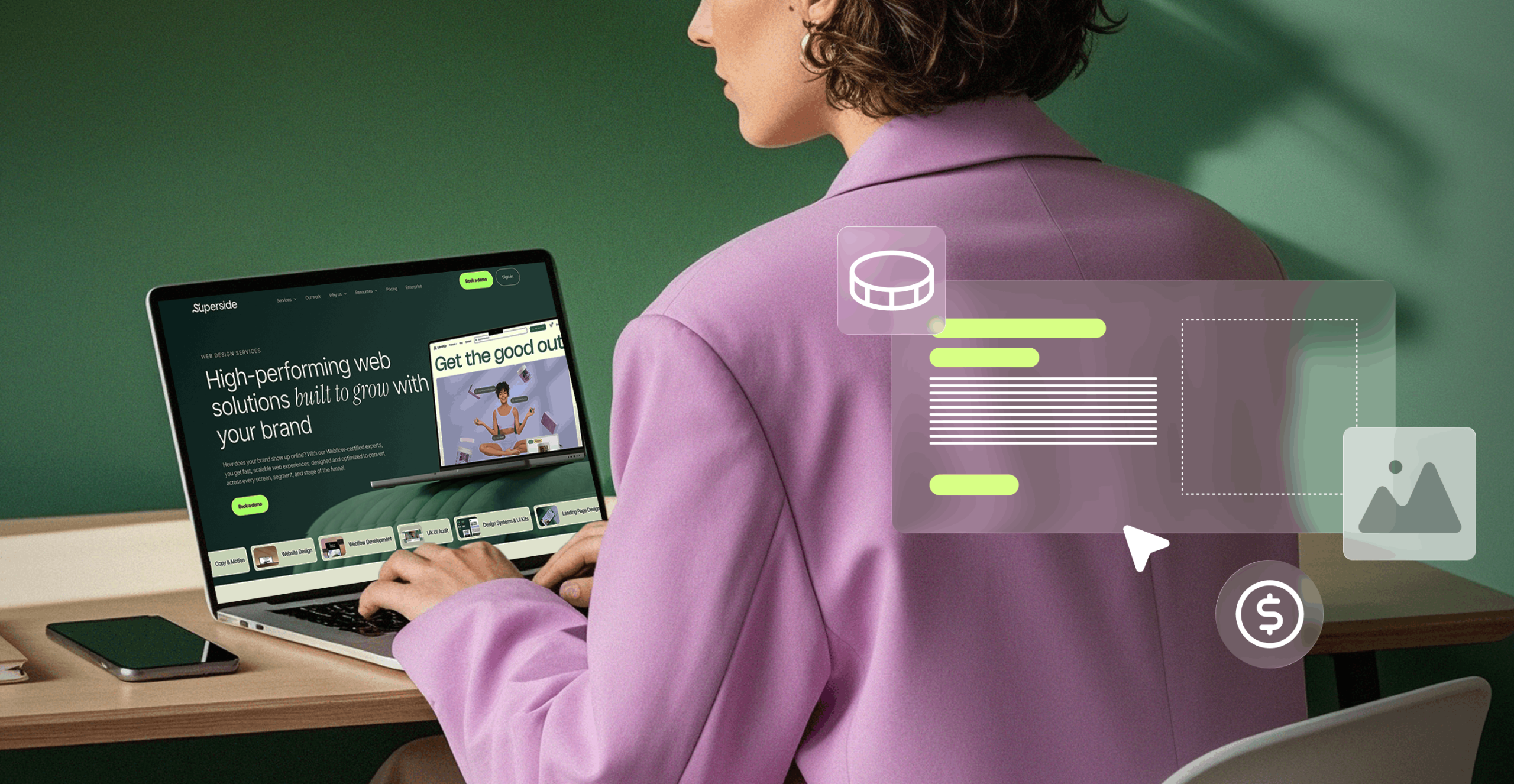





Prototypes let teams experience a product idea before any code exists, turning abstract discussion into something people can click, judge, and improve. Agencies treat them as the central decision tool across the entire engagement. Words describe an interface poorly. Ten stakeholders reading the same feature spec imagine ten different screens, and those gaps stay hidden until development exposes them expensively. A prototype collapses that ambiguity in minutes. Most ui/ux design agencies san francisco teams’ shortlist will build one within the first two weeks precisely because arguments end faster when everyone taps through the same flow.
Keeping costs low also drives the habit. Changes to a prototype take an afternoon. Code changes require engineering sprints, regression testing, and release coordination. Even under deadline pressure, experienced partners refuse to skip the prototype stage due to its saving multiples of effort downstream.
When does fidelity increase?
Fidelity rises only when the questions being asked demand it, moving from paper sketches to pixel-accurate simulations in deliberate stages. Jumping to polish too early wastes effort on screens that may not survive testing. Early concepts stay rough on purpose. Boxes and placeholder text keep feedback focused on flow and structure rather than colour opinions. Once navigation proves itself, middle fidelity versions add real content and spacing so reading patterns can be tested honestly. Final stage prototypes carry true visuals, motion, and micro interactions, serving as the reference that engineers build against. Each level answers different questions, and skilled teams resist stakeholder pressure to make everything beautiful before the structure has earned that investment.
Prototypes across activities
- Testing sessions – Participants complete tasks inside the prototype while facilitators watch for where confusion appears. Because nothing is coded, a failed pattern gets rebuilt overnight and retested the next morning. Several revision cycles can finish within one week.
- Stakeholder alignment – Executives approve flows by experiencing them directly instead of interpreting static documents. Sign off gained this way holds firm later, since decision makers saw exactly what they agreed to, rather than imagining it.
- Developer handoff – Engineers inspect the prototype to see intended behaviour, transitions, and edge states in motion. Questions shrink because answers live inside the artefact itself, not scattered across meeting notes.
Limits worth respecting
Prototypes simulate, and simulation has boundaries. Real data volumes, network delays, and permission complexities rarely appear inside a clickable mockup, so performance and integration surprises still need engineering validation. Agencies flag these limits openly rather than letting stakeholders mistake a smooth prototype for a finished product. Scope discipline matters as well. Prototyping every minor screen burns hours better spent on risky flows. Strong teams prototype the paths where failure costs most, such as onboarding, checkout, or core daily workflows, and document simpler screens through lighter specs. Knowing what not to prototype marks maturity as much as building well does.
Prototyping anchors agency work by converting ideas into testable experiences, ordering fidelity to match open questions, and feeding testing, alignment, and handoff from a single evolving artefact. Products shaped this way enter development with proven flows, leaving engineers to build confidently on decisions already validated by real users.